

Finding out how much a chatbot costs isn’t always easy. Prices can vary from free to over $15,000 a month for big companies.
Costs depend on what you need. A solo entrepreneur might use a free tool. Small teams might spend tens to hundreds of dollars each month.
But, bigger companies and large enterprises face higher costs. Their monthly bills can go into the thousands.
Knowing about chatbot pricing models helps with budgeting. It lets you match features with your needs.
This guide will look at the main factors and chatbot pricing models. You’ll learn how to choose the best option for your budget.
What is a Chatbot and Why Invest in One?
A chatbot is a software that talks to people online. It works as a digital helper, chatting with users on websites, apps, or social media. It can talk in text or voice.
There are two main types of chatbots. Rule-based chatbots follow a set plan. They answer simple questions with pre-written answers. On the other hand, AI-powered chatbots understand what you mean and learn from talking to you.
Getting a chatbot is now seen as a smart move. It’s because chatbots bring real benefits that help your business grow and make customers happier.
Chatbots are great for businesses. They change how companies talk to customers and work behind the scenes.
- Substantial Cost Reduction: Chatbots can answer simple questions, saving money. They let your team focus on harder tasks.
- Improved Efficiency and Speed: Chatbots give quick answers all day, every day. This makes customers happier because they get help fast.
- Increased Sales and Conversion Rates: Chatbots can help sell things. They guide customers and remind them about forgotten shopping carts. This leads to more sales.
- Round-the-Clock Service Availability: Your business can help customers anytime, anywhere. This is a big plus in today’s world.
Chatbots are powerful. They let you talk to lots of customers without spending more on staff. This saves money and helps your business grow.
So, a chatbot is not just a tool; it’s a valuable asset. It makes your service better, helps sell more, and learns what customers like. Investing in a AI chatbot can make your customer service future-proof and profitable. It’s important to see the value before looking at the costs.
Key Factors That Influence Chatbot Costs
Chatbot costs are shaped by three main things: how complex it is, how it connects to other software, and its ongoing upkeep. Businesses look beyond a simple price to plan their budget well. Here, we dive into the chatbot cost factors that turn a rough estimate into a detailed financial plan.
Development Complexity and Customisation
The complexity of your chatbot’s brain is a big cost factor. A simple bot is very different from one that understands human speech.
Basic Scripting vs. Advanced AI Capabilities
Simple chatbots, built with visual tools, handle basic questions. They’re quick and cheap to make. But, advanced AI and NLP need a lot more money.
NLP engines that get what users mean cost $20,000 to $50,000. Adding features like emotion detection starts at $15,000. These features need a lot of AI model training and data cleaning, adding thousands to the cost.
Integration with Existing Systems
For a chatbot to be useful, it must work well with your current tech. This integration is not easy and can add 20% to 50% to the cost.
APIs, Connectors, and Middleware
Connecting your chatbot to systems like CRMs or databases needs APIs, connectors, or custom software. Each connection is a development task.
Simple API links for common platforms cost $5,000 to $15,000. But, complex links to old systems or many data sources can cost $25,000 or more. These costs cover making sure data moves safely and quickly between systems.
Ongoing Maintenance and Support
Launching your chatbot is just the start. You’ll need to keep it updated, secure, and working well. Ignoring these costs can make your chatbot outdated fast.
Software Updates, Monitoring, and Troubleshooting
A good maintenance plan includes several key costs:
- Hosting and Monitoring: Basic costs for cloud hosting and checking how it’s doing are $1,000 to $5,000 a year.
- Security Updates and Compliance: Keeping it secure and up to date with laws costs $500 to $2,500 a month.
- AI Model Retraining: Keeping NLP models sharp with new data costs a few hundred to several thousand dollars every few months.
- Technical Support: Having someone to fix bugs and help users is a regular cost.
This ongoing care keeps your chatbot up to date with new products, changing language, and security threats. It protects your investment.
How Much Does a Chatbot Cost: An Overview of Average Prices
The cost of a chatbot varies widely. It’s helpful to look at three main areas: low-cost DIY builders, mid-market business platforms, and high-end custom development. This helps set a budget for the average chatbot price you might find.
Low-End, DIY Chatbot Builders
For solo entrepreneurs, small blogs, or businesses starting out, DIY chatbot builders are a good choice. These tools are easy to use and don’t require coding skills.
They usually cost between free and $20 a month. But, they offer less customisation and have basic features.
- Price Range: Free to $50/month.
- Typical Features: Pre-built templates, simple rule flows, basic analytics, and integration with common tools like WordPress or Shopify.
- Example: Tidio offers a Starter plan around $24/month, which includes live chat and a basic AI chatbot builder.
This option is great for answering common questions or capturing leads without spending a lot.
Mid-Range, Customisable Business Solutions
Small to medium-sized businesses (SMBs) often find the best value in mid-range solutions. These platforms offer more advanced AI, deeper integrations, and higher usage limits than DIY tools.
The average chatbot price in this range is between $100 and $500 per month. You get better AI, training tools, and customer support.
Key features include:
- More sophisticated intent recognition and contextual understanding.
- Advanced analytics and performance dashboards.
- Scalable pricing tiers based on features or conversation volume.
For example, Zendesk’s Suite Team plan, priced around $55 per agent per month, offers a robust AI chatbot with a full customer service suite. This is a good return on investment for businesses aiming to automate customer interactions.
High-End, Enterprise-Grade Development
Large organisations with complex needs, strict security, and high-volume operations fall into the premium segment. Solutions here are custom-built, deeply integrated, and designed for global scalability.
Pricing jumps up. Enterprises can expect monthly fees from $1,000 and often more than $6,000. The main cost is the one-off development expense.
| Chatbot Type | Development Cost Range | Key Drivers |
|---|---|---|
| Rule-Based Chatbot | $5,000 – $30,000 | Complex flow design, multi-language support, brand-specific UI/UX. |
| AI-Powered Chatbot | $75,000 – $500,000+ | Advanced NLP model training, custom API integrations, ongoing learning algorithms. |
| Enterprise AI Solution | $200,000 – $1,000,000+ | Full custom development, enterprise-grade security (SOC 2), compliance (GDPR, HIPAA), and dedicated 24/7 support. |
These projects take months to develop, require extensive data training, and rigorous testing. The chatbot becomes a key part of the customer and employee experience. When looking at the average chatbot price for this tier, see it as a strategic investment, not just a software cost.
The Pay-Per-Use Pricing Model Explained
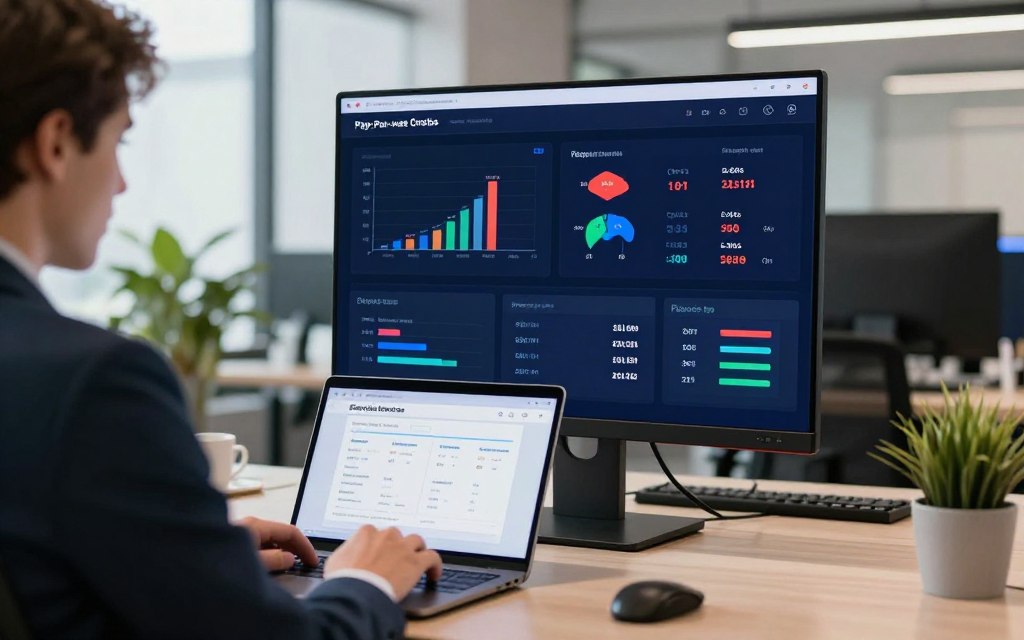
Imagine only paying for the customer conversations your chatbot actually handles. That’s the core promise of pay-per-use pricing. This model, also called consumption-based pricing, directly ties your costs to your usage levels. It’s a dynamic alternative to fixed monthly subscriptions.
For businesses with fluctuating demand, a pay-per-use chatbot model can offer significant financial flexibility. You are billed for what you consume, whether that’s per chat, per message, or per successful resolution.
How Pay-Per-Use Typically Works
Vendors track your usage against specific metrics. You are then invoiced based on that measured consumption. It operates much like a utility bill for your chatbot services.
Providers such as Intercom charge for specific outcomes. Their ‘Fin’ AI agent, for example, costs $0.99 per successful AI resolution. Other platforms, like the OpenAI API, charge per token processed for AI-generated responses.
Common Metrics: Cost Per Conversation or Message Volume
The unit of cost can vary. The most common metrics include:
- Cost per Conversation: A fee for each chat session initiated, regardless of length.
- Cost per Message: A charge for every message sent or received by the bot.
- Cost per Resolution: A premium fee applied only when the chatbot successfully solves a user’s query without human intervention.
Many vendors offer tiered pricing. Your cost per unit often decreases as your message volume increases each month. This rewards higher usage with better rates.
Pros and Cons for Businesses
This pricing model presents a unique set of advantages and challenges. Its suitability depends entirely on your business’s traffic patterns and budgetary style.
Advantages for Variable Traffic and Startups
The primary benefit is inherent cost-efficiency. During quiet months, your costs stay low. This protects your budget when engagement is minimal.
This is ideal for startups and seasonal businesses. They can scale operations without committing to high fixed fees early on. It aligns perfectly with a solid chatbot strategy that evolves over time.
Adopting a pay-per-use chatbot lowers the barrier to entry. You can launch a sophisticated solution with a relatively small upfront investment.
Disadvantages and Possible Unpredictable Bills
The biggest drawback is financial unpredictability. A sudden viral post or successful campaign can lead to a surge in chats. Your next invoice could be much larger than expected.
This makes accurate budgeting and forecasting more difficult. Finance teams may dislike the variability compared to a fixed subscription cost.
Without careful monitoring, costs can spiral. If your chatbot is inefficient and handles many conversations poorly, you pay for every one.
| Aspect | Advantage (Pro) | Disadvantage (Con) |
|---|---|---|
| Cost Alignment | Costs directly match business activity and value received. | Monthly bills are variable, complicating budget forecasts. |
| Scalability | Ideal for growth or seasonal spikes; pay more only when you grow. | Unplanned traffic surges can lead to unexpectedly high costs. |
| Barrier to Entry | Low initial cost allows startups to access advanced tools. | Can become expensive at scale if per-unit fees are high. |
| Efficiency Incentive | Encourages optimisation of the bot to resolve queries quickly. | Inefficient bot design leads to paying for more, longer conversations. |
To manage this model effectively, forecast your expected conversation volumes. Many providers allow you to set monthly usage caps or alerts. Always inquire about volume discount thresholds to reduce your per-unit cost as you grow.
The Subscription-Based Pricing Model Explained
The subscription model charges a fixed fee each month or year for access to a chatbot platform. This is common for SaaS providers like Zendesk and Freshchat. It helps businesses budget better and get regular updates and support. The cost depends on the number of users, making it easy to scale.
Tiered Subscription Plans: Features vs. Cost
Vendors offer different plans for various business sizes and needs. The cost goes up with the number of users. Advanced features are often only available in higher plans. It’s important to look at the value of each plan’s features for your business.
Analysing Starter, Professional, and Enterprise Tiers
Platforms usually have Starter, Professional, and Enterprise plans. Each level offers more features and support. Moving from Starter to Professional is key for growing businesses, adding important tools and analytics.
The Enterprise tier focuses on customisation and security. It also includes dedicated support.
| Feature Category | Starter Tier | Professional Tier | Enterprise Tier |
|---|---|---|---|
| User Seats & Monthly Conversations | Limited (e.g., 1-3 seats, 500 chats/mo) | Moderate (e.g., 5-10 seats, 2,000 chats/mo) | High or Unlimited |
| Core Chatbot Features | Basic bot builder, pre-defined responses | AI/NLP, custom dialogue flows, analytics dashboard | Advanced AI training, omnichannel routing, predictive analytics |
| Integrations | Key platforms (e.g., email, CRM) | Full API access, 10+ app integrations | Custom API integration, dedicated development support |
| Support & Security | Email support, knowledge base | Priority chat/phone support, SLA | 24/7 dedicated account manager, custom SLA, security audit |
Evaluating the Return on Investment (ROI)
Justifying the cost of a subscription chatbot requires clear ROI. The real value is in saving money and improving service quality. Businesses should see it as a tool for efficiency, not just a cost.
Calculating Savings from Efficiency Gains
The main ROI is from automating simple questions, reducing human agent work. IBM says chatbots can cut costs by 30%. To see your savings, follow this:
- Identify Automatable Queries: Look at your support tickets for common questions.
- Quantify Current Handling Cost: Calculate the cost per ticket for a live agent.
- Project Automated Volume: Guess how many of these your chatbot can handle.
- Compare Costs: Compare the subscription fee to the savings from automated tickets and avoiding extra agent hires.
For example, a £800/month plan could save £5,000 monthly by automating 1,000 simple tickets. This is a clear benefit, making the investment worthwhile.
The One-Time Licence Fee Model Explained
The one-time licence fee model lets organisations buy a chatbot solution outright. It’s like buying traditional enterprise software. They pay a big upfront sum for a licence that lasts forever. In return, they get to own the chatbot’s source code and system.
This model changes the cost from an ongoing expense to a one-time investment. It’s good for businesses that want long-term control over their digital assets. They also need to manage them internally.
Upfront Costs vs. Long-Term Ownership
The chatbot licence fee requires a big initial investment. This covers design, development, testing, and deployment of a custom solution. There’s no monthly fee after this.
Choosing this model means a big upfront cost for long-term ownership. You can modify, rebrand, or integrate the chatbot without restrictions. This can save money over 5-10 years if the solution stays useful.
Total Cost of Ownership (TCO) Analysis
Before committing, do a Total Cost of Ownership analysis. The initial licence fee is just the start. A good TCO includes:
- Ongoing Maintenance & Support: Annual costs for bug fixes, security patches, and technical support, usually 15-25% of the initial fee.
- Hosting & Infrastructure: Costs for servers, storage, and IT management if deployed on-premise or in a private cloud.
- Updates & Upgrades: Costs for major new versions or AI model enhancements.
- Internal Management: Salaries for staff who train, monitor, and optimise the chatbot.
Ignoring these ongoing costs is a common mistake. A detailed TCO analysis ensures the model is sustainable for the long term.
When a Licence Model Makes Sense
This model isn’t for every business. It’s right when specific, high-stakes needs outweigh the cost of a SaaS subscription. The decision often depends on strategic needs, not just cost.
Scenarios Demanding High Control and Customisation
A one-time licence fee is key in several scenarios:
- Highly Regulated Industries: Banks, healthcare providers, and legal firms need on-premise deployment for complete data sovereignty and audit trails.
- Unique Integration Landscapes: Businesses with legacy systems or specialised software need a custom-built chatbot.
- White-Label or Re-sale Purposes: If you plan to brand and sell the chatbot, owning the source code is essential.
- Extreme Customisation Needs: Unique conversation flows, logic, and AI training require a custom-built solution.
In these cases, the value of control, security, and customisation justifies the upfront investment and ongoing management.
Hybrid and Custom Pricing Models
Choosing between a fixed monthly subscription and a usage-based plan can be limiting. The market has moved towards more flexible hybrid pricing models. These models offer a balance between predictability and scalability. For large organisations with unique needs, custom enterprise agreements are the best option.
Subscription with Usage Overage Fees
This hybrid approach combines a fixed base fee with the option to pay for extra use. You pay a monthly or annual fee that covers a certain number of interactions or AI solutions. If you use more than allowed, you pay a set rate for the extra.
For example, a plan might offer 5,000 conversations a month. Using 6,000 conversations would mean paying the base fee plus extra for the 1,000 sessions. This model is explained in our detailed chatbot pricing breakdown.
This model balances well. The base fee keeps costs stable, covering your usual volume. The extra fees for overuse prevent sudden, high costs for unexpected spikes in demand.
This is great for businesses with changing needs or testing new campaigns. It protects against unexpected bills and waste from unused features.
Fully Bespoke Enterprise Agreements
For critical, high-volume, and deeply integrated chatbot deployments, standard plans don’t cut it. Major enterprises often get custom agreements from vendors.
These custom contracts can include:
- A significant one-time setup or implementation fee.
- Agreed monthly minimum spend commitments.
- Tailored, volume-based usage rates with tiered discounts.
- Strict, legally binding Service Level Agreements (SLAs) for uptime and performance.
- Bundled professional services like dedicated onboarding, ongoing training, and a named account manager.
Negotiating Terms with Major Vendors
Preparing for these negotiations is key. Your bargaining power comes from your volume, strategic importance, and total cost of ownership.
Focus on the long-term partnership value, not just the cost per unit. Define required features, support levels, data security, and scalability. The goal is a mutually beneficial agreement that supports your growth while ensuring the vendor can deliver exceptional service.
The trend is clear: flexibility is king. Modern businesses demand pricing that adapts to their reality, not the other way around.
Whether through a standardised hybrid model or a completely custom contract, the market is moving to provide solutions that align cost directly with value and usage.
Cost Breakdown by Chatbot Type and Platform
When budgeting, it’s key to look at three main areas: the bot’s smarts, where it’s used, and how it’s made. Each area has its own costs that affect your total spend. This guide helps you see where your money goes.
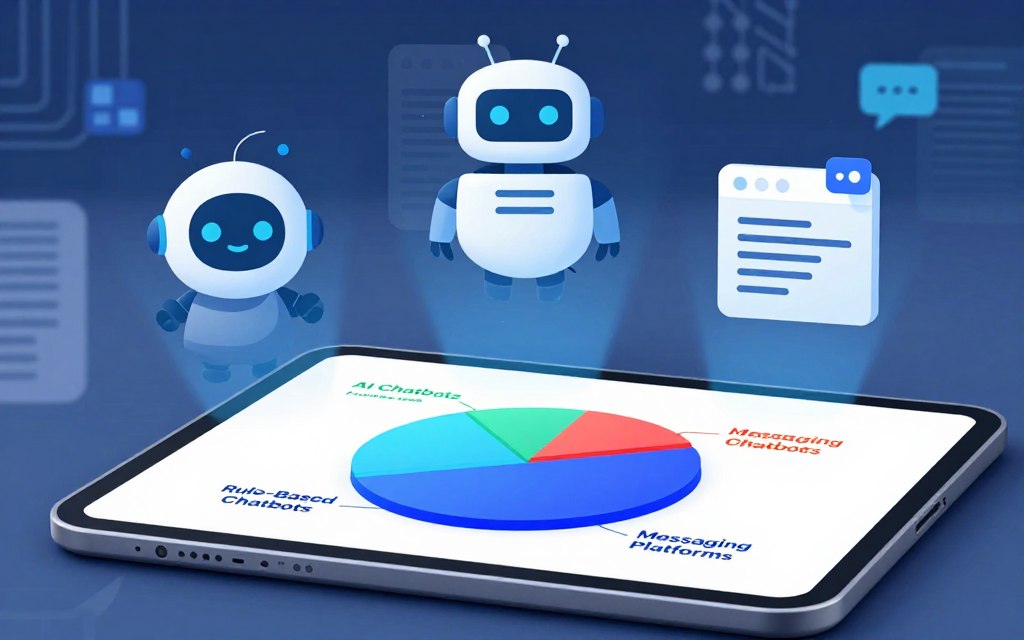
Rule-Based vs. AI-Powered Chatbots
Choosing between a basic bot and a smart AI chatbot changes your costs a lot. Basic bots follow set rules and are easier to make, costing $5,000 to $30,000. They’re good for simple questions or guiding users.
AI chatbots, on the other hand, learn from users and cost more. They need complex coding and lots of training, costing $75,000 to $500,000 or more. Their chatbot type cost comes from learning and getting better over time.
Cost Implications of Natural Language Processing (NLP)
The main cost in AI bots is their NLP engine. This includes:
- Licensing advanced AI frameworks or APIs.
- Getting and cleaning lots of training data.
- Keeping it sharp with ongoing tweaks by data scientists.
This tech lets the bot understand complex questions. But it makes the initial chatbot type cost and ongoing costs higher.
Website Chatbots vs. Social Media and Messaging App Bots
Where your chatbot lives matters a lot. A website bot is the simplest place. It’s made to fit your site’s needs.
But, bots on platforms like WhatsApp or Facebook Messenger need special setup. Each platform has its own rules and costs. This chatbot type cost is often overlooked.
Platform-Specific Development and API Costs
Building for social or messaging apps adds extra costs:
- API Integration: Writing custom code for each platform’s API can cost thousands.
- Channel Fees: Some platforms charge per conversation or message after a certain number.
- Approval Processes: Bots on platforms like WhatsApp need formal business checks, adding time and costs.
So, a chatbot on many platforms costs more than one on your website.
In-House Development vs. Outsourced Agency Costs
Another big cost factor is your team. Making a chatbot in-house gives you full control but is a big investment. Outsourcing to an agency means paying a fixed fee for a project.
Comparing Salary, Overheads, and Project Fees
Let’s compare the costs of each approach:
| Cost Factor | In-House Development | Outsourced Agency |
|---|---|---|
| Primary Cost | Annual salaries, benefits, and overheads for developers, UX designers, and project managers. | A fixed project fee, typically ranging from $5,000 to $25,000 for integration work on a standard bot. |
| Expertise Access | Requires hiring or training staff with specific chatbot/NLP skills. | Immediate access to a team with proven experience across multiple projects. |
| Ongoing Costs | Continuous salary burden regardless of project workload. | Usually moves to a retainer or pay-per-support model after launch. |
| Time to Market | Can be slower due to learning curves and competing internal priorities. | Often faster due to dedicated resources and established processes. |
For a one-off project, an agency’s fixed chatbot type cost is predictable. But, for ongoing updates, an in-house team might be better value, even with higher initial costs.
By looking at tech, platform, and team, you can make a more accurate budget for your chatbot project.
Hidden Costs and Considerations in Chatbot Implementation
Starting a chatbot project seems simple, but there are hidden costs. These hidden chatbot costs can affect your budget and future success. Knowing these extra expenses is key to planning your project well.
Training Data and Continuous Learning
A chatbot’s smarts come from the data it learns. It needs lots of quality data to start. Also, it must keep learning to stay up-to-date with user language.
Expenses for Data Acquisition, Labelling, and Model Retraining
Getting the right data costs money. Labelling this data, so the AI can learn, is a big job. It also costs a lot.
Using special tools for labelling adds to the cost. Plus, updating the chatbot regularly is needed. This uses computer power and expert time.
- Data Acquisition: Fees for industry-specific databases or web scraping tools.
- Data Labelling: Costs for in-house teams or outsourcing to annotation services.
- Model Retraining: Cloud computing costs (GPU hours) and data scientist fees for iterative updates.
Content Creation and Conversation Design
A chatbot needs to talk like a real person. Good conversation design makes it engaging. This requires writing skills, understanding of psychology, and technical know-how.
Investing in Copywriting, User Experience (UX), and Testing
UX copywriters are essential for creating dialogue. They make sure the chatbot sounds like your brand. Their work makes interactions easy for users.
Testing with real users is vital. It helps find and fix problems. This process keeps improving the chatbot even after it’s launched.
Compliance, Security, and Scalability
Chatbots in finance or healthcare need special care. Ignoring legal and technical rules can lead to big problems. This includes fines, data breaches, and system crashes.
Budgets for GDPR Compliance, Encryption, and Infrastructure
Following rules like GDPR or HIPAA costs money. You might need legal advice and special certifications. These steps protect your data and users.
Keeping conversations safe is key. This means using strong security and testing regularly. Also, your system must grow with your users without breaking.
| Cost Category | Description | Typical Cost Range (Annual) |
|---|---|---|
| Data Management & Labelling | Ongoing curation, cleaning, and tagging of training data. | $5,000 – $25,000+ |
| Conversation Design & UX | Professional copywriting, dialogue flow design, and user testing. | $10,000 – $50,000+ |
| Compliance & Security | Legal fees, compliance software, security audits, and encryption. | $3,000 – $20,000+ |
| Scalable Infrastructure | Cloud hosting, bandwidth, and compute resources for growth. | Varies with usage; can be 15-30% of initial build cost. |
When planning your project, remember these ongoing costs. For a detailed look at AI chatbot development costs, check our guide. A full understanding helps your chatbot stay useful, safe, and valuable for years.
Conclusion
Finding the cost of a chatbot isn’t just about a single price. It’s about how much you’re willing to invest based on your business needs and goals.
There are different pricing models to choose from. You can pick from pay-per-use, subscriptions, one-time licences, or even a mix of these. Each option has its own benefits and fits different business strategies.
It’s important to look beyond the initial cost. A thorough analysis should consider the total cost of owning a chatbot. This includes the cost of development, integration, creating content, and training.
The real success of a chatbot is measured by its return on investment (ROI). To calculate this, add the savings from automating tasks to the new revenue from better customer engagement and sales.
Investing in a chatbot should be a long-term decision. A well-planned and implemented chatbot can bring significant benefits to your business. It’s a smart choice for any forward-thinking company.
FAQ
How much does a chatbot cost on average?
Chatbot prices vary a lot. They can be free for simple tools or over £15,000 for advanced ones. The cost depends on the chatbot’s features, integrations, and pricing model. A basic bot for a small site is much cheaper than a complex AI assistant for a CRM like Salesforce.
What is the business case for investing in a chatbot?
Chatbots offer a good return on investment. They save money by handling simple questions and let humans deal with harder ones. They can talk to many people at once, improve customer service, and help with sales.
What are the main factors that increase the cost of a chatbot?
The main cost drivers are how complex it is, what integrations it needs, and ongoing upkeep. Advanced AI like IBM Watson is pricier than simple bots. Integrating with systems like Microsoft Dynamics or Shopify takes more time. Ongoing costs for updates and support are also important.
What pricing models are most common for chatbots?
Common models include subscription, pay-per-use, and one-time licence fees. Subscription models, like Zendesk Answer Bot, are popular for businesses. Pay-per-use models charge per message, and licence fees are for custom solutions.
Is a pay-per-use or subscription model better for my business?
It depends on your traffic and budget. Pay-per-use is good for startups or businesses with changing needs. But, costs can be unpredictable. Subscription models are better for growing businesses with steady traffic, as they offer set features and support.
What are the hidden costs of implementing a chatbot?
Hidden costs include getting and labelling training data, designing conversations, and testing UX. You also need to invest in security, data privacy, and scalable infrastructure for growth and legal operation.
How much more expensive is an AI chatbot compared to a rule-based one?
AI chatbots are much more expensive. A simple rule-based bot might cost a few hundred pounds a month. But, a custom AI solution can cost thousands. The difference is in the technology, training data, and resources needed for AI.
Should I build a chatbot in-house or outsource to an agency?
The choice depends on your resources and strategy. Building in-house gives you control but costs more in salaries and training. Outsourcing to an agency like Botsify is more practical for most businesses without AI expertise.
When does a one-time licence fee model for a chatbot make sense?
A one-time licence fee is good for large enterprises with specific needs. It’s suitable for security reasons, owning the intellectual property, or unique compliance demands.
How do I start planning my chatbot budget?
Start by defining your use cases and required features. Then, do a Total Cost of Ownership analysis. This includes upfront and ongoing costs. Lastly, estimate the Return on Investment by calculating savings and revenue uplift. This approach helps make a sound investment decision.


 By
By